
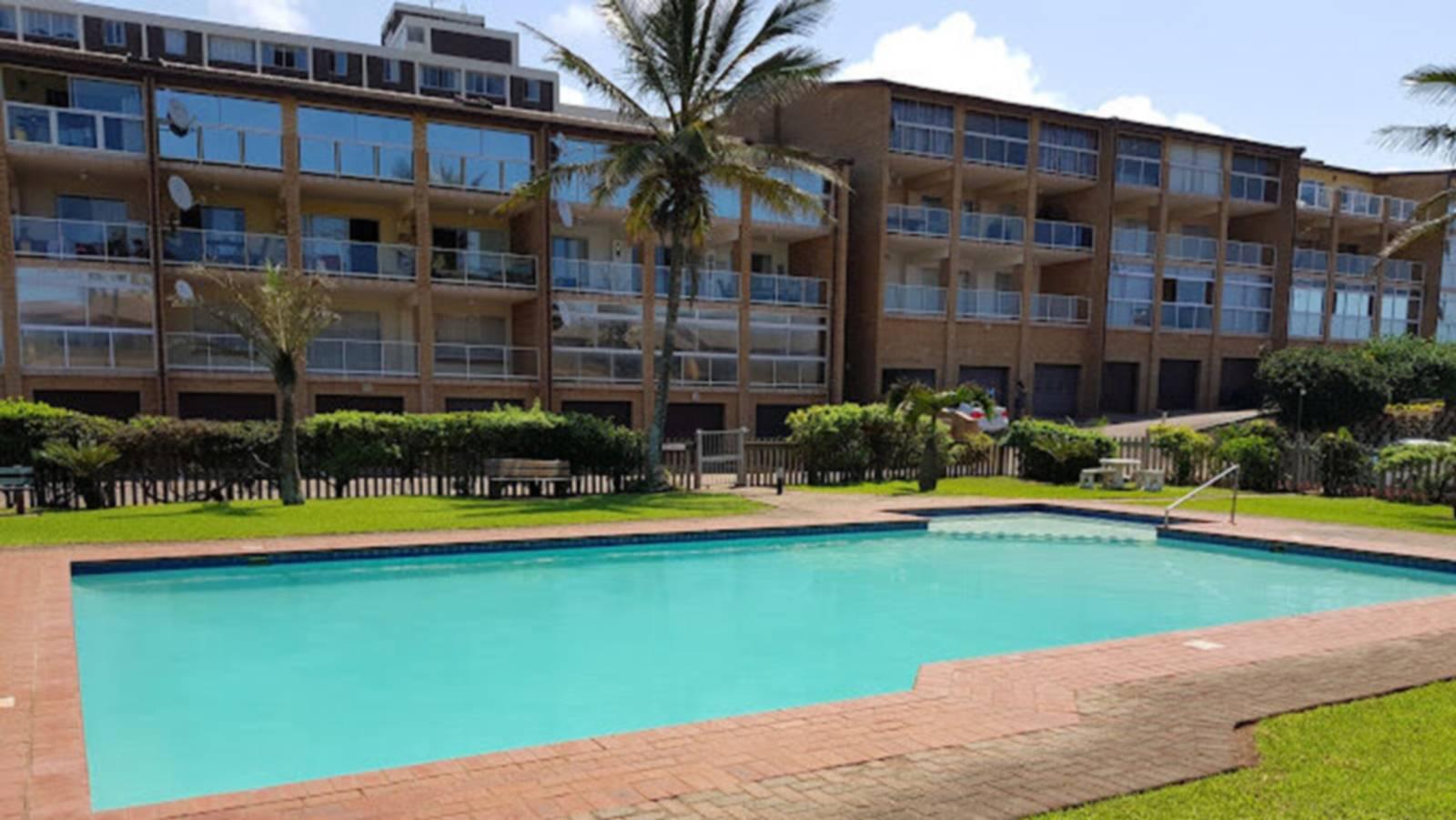
Managing agents for holiday complexes
Most schemes between Amanzimtoti and Margate are holiday schemes. They fall under the same law as any other, and they are much harder to run. This is the work we are set up for.
- Since 1980accountants in Amanzimtoti
- SAICAmember practice in the group
- PPRAregistered practitioner
- Cabana Mioholiday complex in our group
What makes a holiday complex different
A holiday complex is a sectional title, share block or timeshare scheme in which most owners do not live on site and many units are let to visitors. Its administration has to work at a distance, absorb sharp seasonal peaks, regulate short-term letting through enforceable rules, and keep any rental pool’s money apart from the levies.
Six problems, and what we do about each
Owners who are never there
Notices go unread, quorums fail and arrears build for months before anyone notices.
Statements on the same date every month, records owners can read online, proxies collected well before the AGM, and arrears followed up at 30, 60 and 90 days.
Empty for ten months, full for two
Water, refuse, lifts, pools and security are stretched in December and at Easter, then idle.
A budget that shows the seasons, service contracts timed before peak, and municipal accounts checked against the bulk meters each month.
Guests who do not know the rules
Noise, parking, overcrowded units and wear on the common property, with the owner hundreds of kilometres away.
Conduct rules on letting that are properly adopted and CSOS-approved: guest registration, occupancy limits and a reachable contact for every let unit.
A rental pool beside the body corporate
Pool costs paid from levy money, or the reverse, and owner statements nobody can reconcile.
A separate bank account and set of books for the pool, the operator's bookings reconciled to cash received, and a statement each owner can follow.
Timeshare and share block structures
A levy account for every week of every unit, share registers and use agreements out of date.
Week-level levy accounts, a current share register, and company secretarial records kept by the same group that keeps the books.
Salt air
Concrete, balustrades, lifts and window frames fail years sooner than the same building inland.
A ten-year maintenance plan that is honest about the coast, and a reserve fund raised gradually so the owners are not hit with a special levy.
We run one ourselves
Cabana Mio is seven self-catering beach duplexes in Amanzimtoti, run by the group.
Its sister business, Coastal Preferred Escapes, sells a five-year family holiday membership at Cabana Mio. So the group deals every season with guests arriving, units turned around, and the accounts that sit behind shared use of a property.
That is why we separate the two roles in the schemes we manage. SCA Properties administers the scheme and accounts for the pool. We do not take bookings or let units for individual owners, so the party that accounts for the money never earns commission on it.
What we take on
- The body corporate, share block company or timeshare scheme
- The rental pool’s accounts, statements and distributions
- Conduct rules on letting, taken through the special resolution and CSOS
- The reserve fund and the ten-year maintenance plan
What we leave to others
- Guest bookings and check-in
- Letting a unit for an individual owner
- Selling units
Guides for trustees of holiday schemes
Can a body corporate restrict Airbnb letting?
What the Act allows, how a rule is adopted, and why regulating beats prohibiting.
Read the guideRental pools: who answers for what
The three parties, what the pool agreement must settle, and where it goes wrong.
Read the guideThe reserve fund on the coast
The legal minimum, the ten-year plan, and why salt air changes the sums.
Read the guideQuestions from trustees of holiday complexes
Why is a holiday complex harder to manage than a residential block?
Most owners are not on site, so levy statements, notices and meetings have to work for people in other provinces. Occupation swings between empty and full, which puts seasonal strain on water, lifts, pools and security. Short-term guests do not know the conduct rules. And where there is a rental pool or timeshare, a second set of accounts sits beside the body corporate's.
None of that changes the law the scheme falls under. It changes how carefully the administration has to be run.
Can our body corporate stop owners letting on Airbnb?
The STSMA does not prohibit short-term letting. A body corporate can regulate it, and in some cases restrict it, through a conduct rule. The rule needs a special resolution, must be reasonable and apply equally to all owners, and only takes effect once the Community Schemes Ombud Service has approved and recorded it.
In a holiday complex the better question is usually how to regulate it: guest registration, occupancy limits, a contact person for each let unit, and who pays for extra wear on the common property.
Is a rental pool part of the body corporate?
No. A rental pool is a separate arrangement between the owners who choose to join it and the pool's operator, governed by its own agreement. Its income and costs must be kept apart from the body corporate's levy accounts.
We administer both for schemes that want them under one roof: two sets of books, one statement an owner can follow.
Can owners see their own levy account online?
Yes. Owners sign in to the SCA Properties owner portal to see the statement and balance for each unit they own, the scheme's rules, minutes, insurance and financial statements, and notices from the office. They can log maintenance requests there and follow their progress. Trustees also see the scheme's levy roll and aged arrears.
What can a body corporate do about an owner who does not pay levies?
Charge interest at the rate the trustees have set, send a final demand, and then recover the debt through the Community Schemes Ombud Service or the courts. The transfer of a unit cannot be registered until the body corporate certifies that all money due has been paid, which protects the scheme when a unit is sold.
A body corporate may not cut off water or electricity without a court order, and may not add legal costs to an owner's account without the owner's consent or an order.
How much must a scheme put into its reserve fund?
The regulations under the STSMA set a minimum. If the reserve fund at the end of the previous financial year was less than 25% of that year's total administrative contributions, the budget must contribute at least 15% of the new year's administrative contributions to the reserve.
The body corporate must also have a written maintenance, repair and replacement plan for the common property covering at least ten years. The plan, not the minimum, should set the real figure.
Ask for a proposal for your holiday complex
Send the number of units and your latest financial statements. You get a written proposal with the fee, what it covers and who will manage your scheme.